

When it comes to heavy duty mowers, the choice of blades is crucial for achieving optimal performance and efficiency. As a heavy duty mower supplier, I've had the opportunity to work with a wide range of mowers and understand the different types of blades they use. In this blog post, I'll explore the various blade types commonly found in heavy duty mowers, their features, and the applications they are best suited for.
Rotary Blades
Rotary blades are perhaps the most common type of blades used in heavy duty mowers. These blades are attached to a rotating spindle and spin at high speeds to cut through grass, weeds, and small brush. Rotary blades come in a variety of shapes and sizes, each designed for specific applications.
- Standard Rotary Blades: Standard rotary blades are the most basic type of rotary blades. They have a straight or slightly curved cutting edge and are suitable for cutting grass and light weeds. These blades are typically made of high - carbon steel or stainless steel, which provides good durability and cutting performance.
- Mulching Blades: Mulching blades are designed to cut grass into small pieces and return them to the lawn. These blades have a special shape that creates a vacuum effect, which helps to lift the grass and cut it more efficiently. Mulching blades are ideal for maintaining a healthy lawn, as the grass clippings act as a natural fertilizer.
- Gator Blades: Gator blades are a type of mulching blade that has a unique serrated edge. The serrated edge helps to cut through thick grass and weeds more effectively than standard mulching blades. Gator blades are also known for their ability to create a finer mulch, which can be beneficial for the lawn.
Flail Blades
Flail blades are another type of blade commonly used in heavy duty mowers, especially in mowers designed for brush clearing and land reclamation. Flail blades are attached to a horizontal shaft and swing freely as the mower moves forward. This design allows the blades to cut through thick vegetation, including small trees and bushes.
- Single - Edge Flail Blades: Single - edge flail blades have a single cutting edge and are suitable for cutting through light to medium - density vegetation. These blades are relatively inexpensive and easy to replace, making them a popular choice for many heavy duty mower users.
- Double - Edge Flail Blades: Double - edge flail blades have a cutting edge on both sides, which provides a more efficient cutting action. These blades are ideal for cutting through thick vegetation and can handle more demanding applications than single - edge flail blades.
Sickles
Sickles are a type of blade that is commonly used in some heavy duty mowers, particularly those designed for cutting tall grass and reeds. Sickles consist of a series of small, curved blades that are attached to a bar. As the mower moves forward, the sickles move back and forth, cutting through the vegetation.
- Reel Mower Sickles: Reel mowers use sickles to cut grass in a scissor - like action. The sickles are mounted on a cylinder that rotates as the mower is pushed or pulled. Reel mowers are known for their ability to provide a clean, precise cut and are often used on golf courses and other manicured lawns.
- Sickle Bar Mowers: Sickle bar mowers are larger mowers that use a sickle bar to cut through tall grass and weeds. These mowers are typically used in agricultural applications, such as hay harvesting and pasture maintenance.
Circular Saw Blades
In some heavy duty mowers, especially those designed for brush clearing and land reclamation, circular saw blades may be used. Circular saw blades are similar to the blades used in a circular saw and are designed to cut through thick wood and brush.
- Tooth - Type Circular Saw Blades: Tooth - type circular saw blades have a series of teeth along the edge of the blade. These teeth are designed to cut through wood and brush more effectively than smooth - edged blades. Tooth - type circular saw blades are available in different tooth configurations, depending on the type of material being cut.
- Carbide - Tipped Circular Saw Blades: Carbide - tipped circular saw blades are a more durable and efficient option for cutting through hard wood and brush. The carbide tips provide a sharp cutting edge that can withstand the wear and tear of heavy - duty use.
Applications and Blade Selection
The choice of blade for a heavy duty mower depends on the specific application. Here are some common applications and the recommended blade types:
- Lawn Maintenance: For regular lawn maintenance, standard rotary blades or mulching blades are a good choice. These blades can cut through grass and light weeds effectively and provide a clean, even cut. If you have a large lawn, a Heavy Duty Commercial Push Mower or a Heavy Duty Self Propelled Lawn Mower equipped with the appropriate blades can make the job easier.
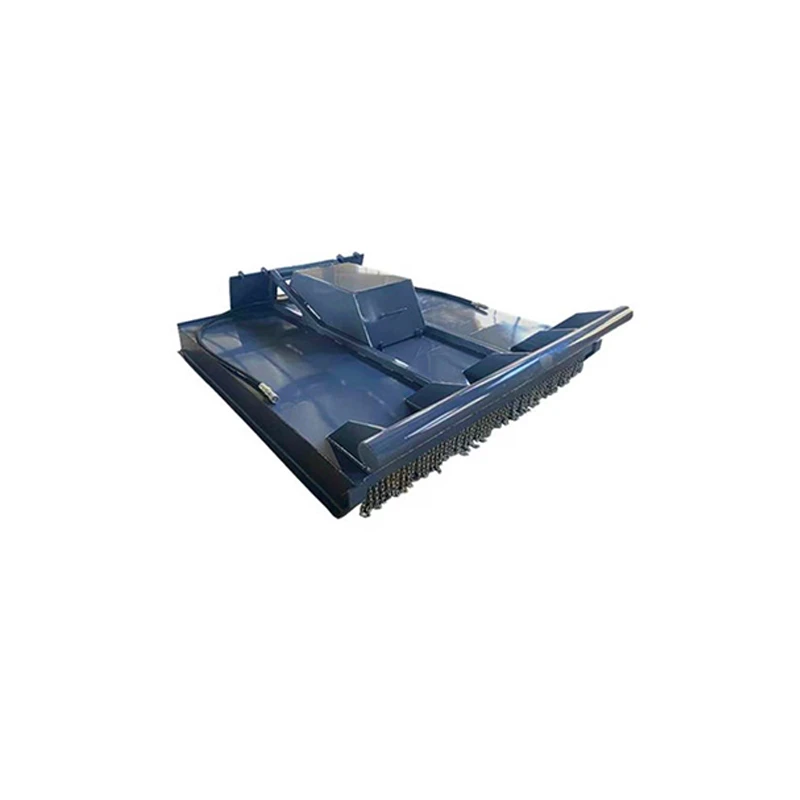
- Brush Clearing and Land Reclamation: When it comes to brush clearing and land reclamation, flail blades or circular saw blades are the best options. Flail blades can cut through thick vegetation, including small trees and bushes, while circular saw blades can handle larger woody materials. A Brush Clearing and Land Reclamation Machine equipped with these blades can significantly speed up the process.
- Agricultural Applications: For agricultural applications, such as hay harvesting and pasture maintenance, sickle bar mowers with sickles are commonly used. These mowers can cut through tall grass and reeds efficiently and are well - suited for large - scale agricultural operations.
- Skid Steer Attachments: If you are using a skid steer for mowing and clearing, a Skid Steer Mounted Brush Cutter or a Skid Steer Rock Trencher may be the right choice. These attachments can be equipped with different types of blades depending on the specific task.
Importance of Blade Maintenance
Proper blade maintenance is essential for ensuring the longevity and performance of your heavy duty mower. Here are some tips for blade maintenance:

- Sharpening: Regularly sharpen your blades to maintain a sharp cutting edge. Dull blades can cause the mower to work harder, resulting in increased fuel consumption and reduced cutting efficiency.
- Cleaning: After each use, clean the blades to remove any dirt, grass, or debris. This can prevent corrosion and damage to the blades.
- Inspection: Regularly inspect the blades for signs of wear or damage. Replace any blades that are cracked, chipped, or worn beyond repair.
Conclusion
As a heavy duty mower supplier, I understand the importance of choosing the right blades for your mower. The type of blade you choose will depend on the specific application and the type of vegetation you need to cut. By understanding the different types of blades available and their features, you can make an informed decision and ensure that your heavy duty mower performs at its best.
If you are in the market for a heavy duty mower or need advice on blade selection, please feel free to contact us. We are here to help you find the right mower and blades for your needs. Our team of experts can provide you with detailed information and guidance to ensure that you make the best choice for your specific application.
References
- "Lawn Mower Blades: A Guide to Types and Maintenance", Gardening Today Magazine, 2022
- "Heavy Duty Mower Technology and Blade Innovations", Agricultural Machinery Journal, 2023
- "Brush Clearing and Land Reclamation Equipment: Best Practices", Land Management Quarterly, 2021